


2026
Top Safety Protocols Every Traffic Control Person Follows
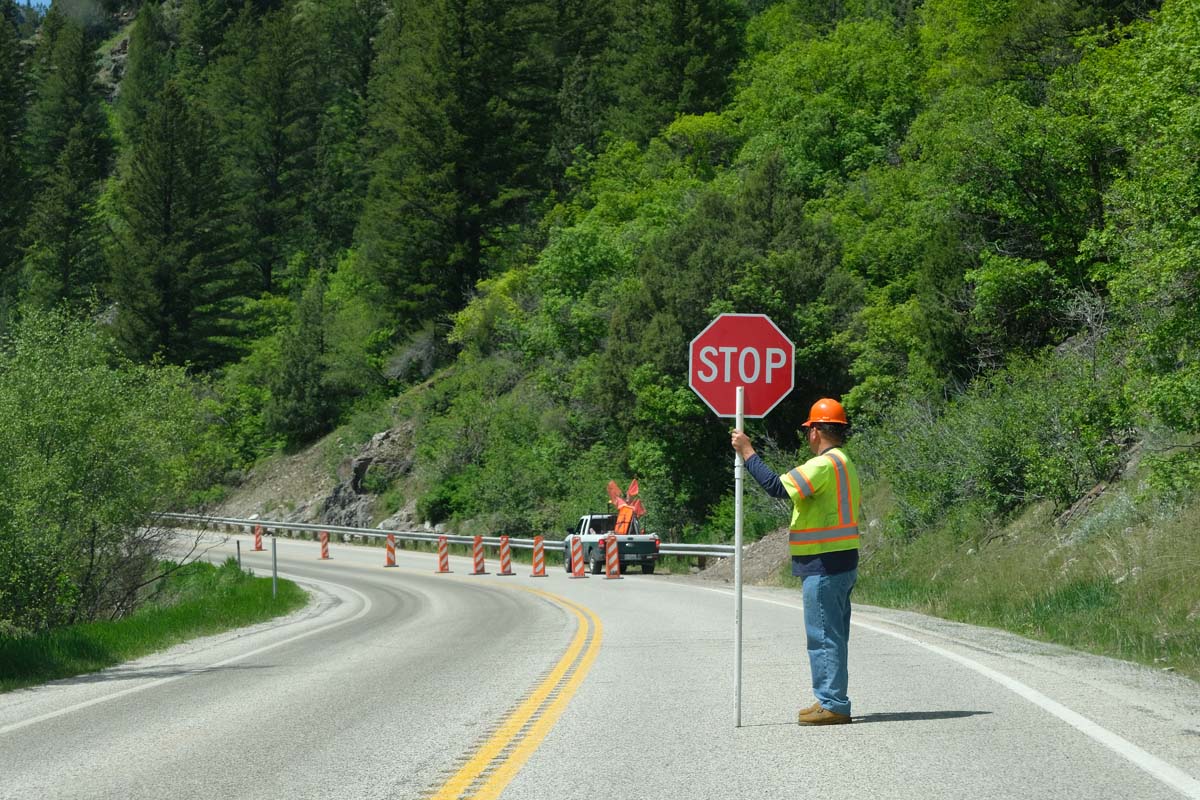
Navigating through construction zones and busy intersections in the Lower Mainland requires more than just patience. It demands the expertise of a trained professional who can manage the chaos and keep everyone safe.
A Traffic Control Person (TCP) is the unsung hero of our roadways, standing between moving vehicles and active work sites. Their job is critical, and it relies on a strict set of safety protocols designed to prevent accidents and ensure smooth traffic flow.
These protocols are not just guidelines; they are essential rules that dictate every action a TCP takes on the job. From clear communication to strategic positioning, these practices are what make it possible to manage complex traffic situations effectively. In this article, we will explore the top safety protocols every traffic control person follows to protect workers, drivers, and pedestrians alike.
Maintain Clear and Consistent Communication
Effective communication is the cornerstone of any successful traffic management operation. A traffic control person must convey instructions clearly to drivers, pedestrians, and other crew members. This involves using standardized hand signals, two-way radios, and clear verbal commands when necessary. Without consistent communication, confusion can quickly lead to dangerous situations.
The importance of this protocol cannot be overstated. When a driver approaches a work zone, they need to know exactly what is expected of them. A TCP uses a STOP/SLOW paddle to provide immediate, unmistakable directions. They also coordinate with other flaggers on the site to ensure that traffic flows smoothly in both directions, especially when managing single-lane alternating traffic.
For example, during a major road paving project in Surrey, two TCPs stationed at opposite ends of the work zone must use radios to synchronize their signals. If one flagger stops traffic without informing the other, vehicles could end up facing each other in a single lane. Clear communication prevents this type of gridlock and keeps the site safe.
Establish High Visibility at All Times
Visibility is a matter of life and death for a traffic control person. They must be easily seen by approaching drivers, regardless of the weather conditions or time of day. This protocol requires the use of high-visibility apparel, including reflective vests, hard hats, and arm cuffs. The goal is to stand out against the background of the construction site and the surrounding environment.
Being visible gives drivers the time they need to react to instructions. In the often rainy and overcast climate of Metro Vancouver, maintaining visibility can be challenging. TCPs must ensure their gear is clean and reflective, and they often use illuminated wands or flashing lights during night shifts or heavy downpours.
Consider a scenario where a TCP is managing traffic near a busy intersection in downtown Vancouver during a winter storm. By wearing a Class 3 high-visibility suit and using an illuminated baton, they ensure that drivers can see them from a distance. This early warning allows motorists to slow down and prepare for the upcoming lane closure, significantly reducing the risk of an accident.
Position Strategically for Maximum Safety
Where a traffic control person stands is just as important as what they do. Strategic positioning involves finding a location that offers a clear line of sight to approaching traffic while keeping the TCP out of harm's way. They must avoid standing in the direct path of vehicles, blind spots of heavy equipment, or areas where they could be pinned against a barrier.
This protocol is vital for protecting the TCP from erratic drivers and construction machinery. A well-positioned flagger can see potential hazards before they become emergencies and has an escape route planned in case a vehicle fails to stop. They must also ensure they are visible to the equipment operators working on the site.
For instance, when directing traffic around a utility repair on a curved road in Burnaby, a TCP will position themselves well before the curve. This placement ensures that drivers see the flagger before they enter the blind spot. The TCP will also stand on the shoulder or a designated safe zone, rather than in the middle of the active lane, to maintain a safe distance from moving vehicles.
Anticipate and Manage Potential Hazards
A traffic control person must be constantly vigilant, scanning the environment for potential dangers. This protocol involves anticipating the actions of drivers, pedestrians, and construction workers. TCPs are trained to recognize signs of distracted driving, speeding, or confusion, and to take proactive measures to mitigate these risks.
Anticipating hazards allows a TCP to react quickly and prevent accidents. They must be aware of the specific challenges of their site, such as uneven pavement, heavy machinery movements, or high pedestrian volumes. By staying alert, they can adjust their traffic control strategies in real-time to address emerging threats.
Here are some common hazards a TCP must manage:
- Distracted drivers using mobile phones
- Pedestrians attempting to cross through the work zone
- Heavy equipment entering or exiting the site
- Sudden changes in weather affecting road conditions
For example, if a TCP notices a driver approaching the work zone at a high speed while looking down at their phone, they will immediately use exaggerated hand signals and blow a whistle to grab the driver's attention. This quick reaction can prevent a high-speed collision and protect the crew working just a few meters away.
Implement Comprehensive Traffic Management Plans
Every safe work zone begins with a solid plan. A traffic control person relies on a detailed Traffic Management Plan (TMP) to guide their actions. This document outlines the layout of the site, the placement of signs and cones, and the specific procedures for managing traffic flow. Following the TMP ensures that all safety measures are implemented correctly and consistently.
The TMP is essential for maintaining order and compliance with municipal regulations. It provides a blueprint for the entire operation, ensuring that every team member understands their role and the overall strategy. A well-executed plan minimizes disruptions to the public while maximizing safety for the workers.
When setting up a detour for a special event in Richmond, the TCPs will follow the TMP to place advance warning signs, set up the taper with traffic cones, and establish their flagging stations. By adhering to the plan, they create a predictable and safe environment for both the event attendees and the passing motorists.
Prioritize Personal Safety and Emergency Readiness
While a traffic control person is responsible for the safety of others, they must also prioritize their own well-being. This protocol involves staying alert, taking necessary breaks to prevent fatigue, and being prepared for emergencies. TCPs are trained in basic first aid and emergency response procedures, ensuring they can act quickly if an incident occurs.
Personal safety is the foundation of effective traffic control. A fatigued or distracted TCP cannot perform their duties adequately, putting everyone at risk. By maintaining their physical and mental readiness, they ensure they can handle the demands of the job and respond to unexpected situations.
Key aspects of personal safety and readiness include:
- Staying hydrated and taking scheduled breaks
- Knowing the location of the nearest medical facility
- Having a clear communication channel with emergency services
- Understanding the site-specific emergency evacuation plan
Imagine a situation where a minor collision occurs just outside the work zone. The TCP, trained in emergency readiness, will immediately secure the area to prevent further accidents, notify their supervisor via radio, and contact emergency services if necessary. Their preparedness ensures a swift and coordinated response, minimizing the impact of the incident.
A Traffic Control Person is The Foundation of Roadway Security
The safety of our roads depends heavily on the dedication and expertise of traffic control professionals. By strictly adhering to these top safety protocols, they create a secure environment amidst the chaos of construction and urban traffic. Their commitment to clear communication, high visibility, and strategic planning ensures that every project in the Lower Mainland can proceed without compromising public safety.
Whether it is a minor utility repair or a major infrastructure development, the presence of a trained traffic control person is indispensable. They are the guardians of the work zone, anticipating hazards and managing the flow of life around them. The next time you drive through a construction site, remember the protocols these professionals follow to get you, and their crew, home safely.
Stop N Go Traffic Control is a traffic management company based out of Surrey, BC. We provide traffic management solutions to the industrial, construction, public and private sectors throughout the Lower Mainland.