


2026
Best Practices for Lane Closures on Highways Versus City Streets
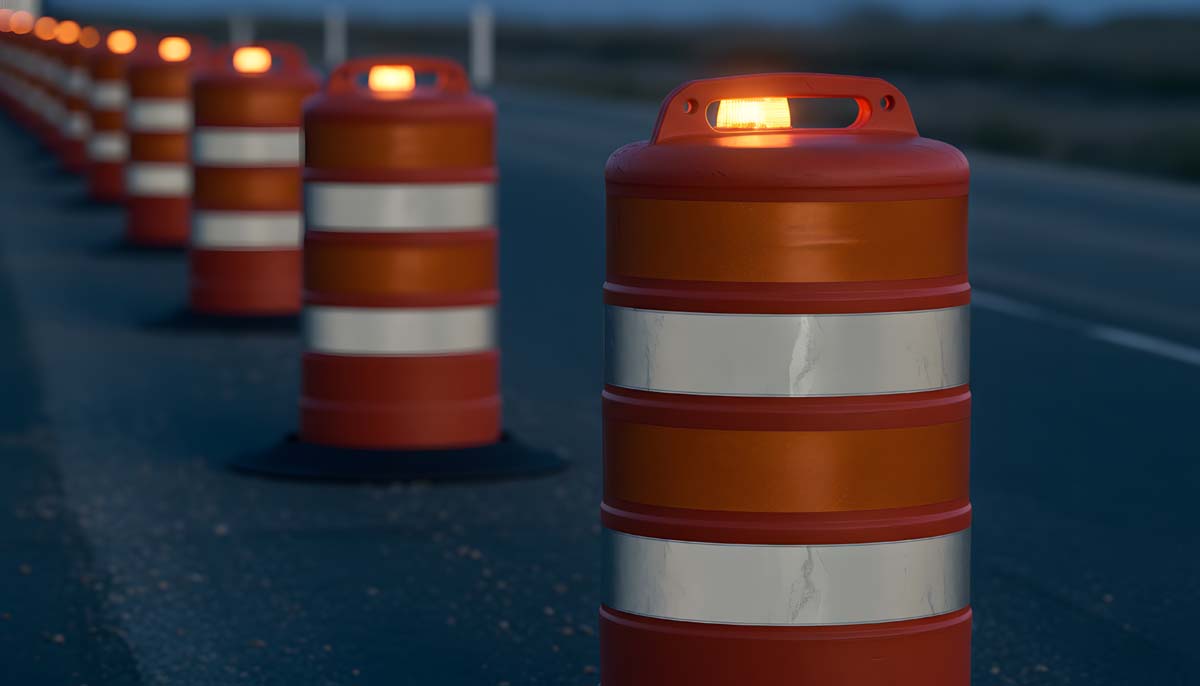
Managing traffic flow during roadwork or events is a critical task that ensures the safety of both workers and the public. In the bustling Lower Mainland, from the busy thoroughfares of Surrey to the intricate networks of Vancouver, effective lane closures are paramount. However, the strategies employed for highways differ significantly from those needed for city streets, each presenting its own unique set of challenges and considerations.
Understanding these distinctions is not just about compliance; it is about optimizing safety, minimizing disruption, and maintaining efficient transportation networks. This guide delves into the essential best practices for implementing lane closures, highlighting the nuanced approaches required for different urban and highway environments across British Columbia.
Strategic Planning for Highway Lane Closures
Highways, with their higher speeds and greater traffic volumes, demand meticulous planning for any lane closure. A poorly executed closure can lead to severe congestion, increased accident risk, and significant delays for commuters traveling through areas like the Trans-Canada Highway. The initial phase involves a comprehensive assessment of traffic patterns, peak hours, and alternative routes.
Developing a robust traffic management plan is the cornerstone of successful highway operations. This plan must detail every aspect, from signage placement to emergency response protocols. It is not merely a document but a dynamic blueprint that adapts to real-time conditions, ensuring that all stakeholders, including local authorities in Surrey and other municipalities, are fully informed and coordinated.
Key considerations for highway planning include:
- Detailed traffic volume analysis to identify optimal closure times.
- Clear communication strategies for public notification via various media.
- Contingency plans for unexpected events like vehicle breakdowns or weather changes.
- Coordination with emergency services and local law enforcement.
By addressing these elements proactively, traffic control teams can mitigate potential hazards and maintain a smoother flow of vehicles, even during essential road maintenance or construction projects.
Implementing Effective City Street Closures
City streets present a different set of complexities compared to highways. The presence of pedestrians, cyclists, frequent intersections, and access points to businesses and residences requires a more localized and adaptable approach to lane closures. In communities like Surrey, where urban development is constant, managing these closures efficiently is vital for local commerce and daily life.
The primary goal on city streets is to minimize inconvenience for local residents and businesses while ensuring worker safety. This often involves shorter closure durations, more frequent adjustments, and direct engagement with the affected community. Pedestrian safety, in particular, must be a top priority, with clearly marked walkways and safe crossing points maintained throughout the work zone.
Effective city street closures often involve:
- Utilizing traffic control persons to guide vehicles and pedestrians.
- Strategic placement of temporary signage to direct local traffic.
- Maintaining access for emergency vehicles and local deliveries.
- Regular communication with local businesses and residents about work schedules.
These measures help to integrate the closure seamlessly into the urban fabric, reducing frustration and enhancing overall safety for everyone in the vicinity.
Essential Role of Traffic Control Personnel
Regardless of whether a lane closure is on a highway or a city street, the human element remains indispensable. Highly trained and certified lane closure technicians and traffic control persons are the frontline guardians of safety and efficiency. Their expertise ensures that traffic plans are executed flawlessly and that unforeseen circumstances are handled promptly and effectively.
These professionals are responsible for setting up and maintaining traffic control devices, directing traffic, and communicating with both drivers and workers. Their presence provides a crucial layer of safety, especially in dynamic environments where conditions can change rapidly. In the Lower Mainland, companies like Stop N Go Traffic Control emphasize rigorous training to meet provincial standards and ensure optimal performance.
The responsibilities of traffic control personnel include:
- Accurate placement and maintenance of signs, cones, and barriers.
- Clear and consistent communication with drivers and pedestrians.
- Monitoring traffic flow and adjusting controls as needed.
- Responding to incidents and coordinating with emergency services.
Their vigilance and quick decision-making are critical in preventing accidents and ensuring that projects proceed safely and on schedule.
Leveraging Advanced Traffic Control Equipment
Modern lane closures rely heavily on a range of specialized equipment designed to enhance safety and operational efficiency. From advanced warning signs to portable traffic signals, the right tools are crucial for effective traffic management in both highway and urban settings. Investing in high-quality traffic control equipment rentals ensures that projects have access to the best resources without the burden of ownership.
For highways, equipment like portable changeable message signs (PCMS) provides real-time information to drivers, helping them anticipate delays and adjust their routes. On city streets, smaller, more agile equipment, such as temporary traffic lights and pedestrian barricades, helps manage complex intersections and protect vulnerable road users. The proper selection and deployment of these tools are integral to a successful lane closure.
Key equipment for effective lane closures includes:
- Portable changeable message signs for dynamic information display.
- High-visibility cones, barricades, and delineators.
- Temporary traffic signals for complex intersections.
- Arrow boards and crash attenuators for worker protection.
Utilizing this equipment correctly not only improves safety but also streamlines operations, leading to more efficient project completion.
Ensuring Compliance and Safety Standards
Adherence to provincial and municipal safety standards is non-negotiable for all lane closures. In British Columbia, this means following guidelines set by WorkSafeBC and local bylaws, which dictate everything from signage specifications to worker training requirements. Compliance is not just about avoiding penalties; it is about upholding a commitment to public and worker safety.
Regular audits and inspections are essential to ensure that all aspects of a lane closure, from the initial setup to the final removal, meet the required standards. This includes checking the condition of equipment, the certification of personnel, and the accuracy of traffic control plans. Companies offering traffic control services in the Lower Mainland must demonstrate a thorough understanding and application of these regulations.
Continuous Improvement Through Post-Project Analysis
Every lane closure, whether on a major highway or a local Surrey street, offers valuable lessons for future projects. Conducting a thorough post-project analysis is a best practice that drives continuous improvement in traffic management. This involves reviewing the effectiveness of the traffic management plan, assessing the performance of equipment and personnel, and gathering feedback from all stakeholders.
Analyzing data such as traffic flow before, during, and after the closure, incident reports, and public complaints can reveal areas for optimization. This iterative process allows traffic control companies to refine their strategies, enhance their training programs, and improve their overall service delivery. By learning from each experience, the safety and efficiency of future lane closures across the Lower Mainland can be significantly improved, contributing to better infrastructure and smoother commutes for everyone.
Stop N Go Traffic Control is a traffic management company based out of Surrey, BC. We provide traffic management solutions to the industrial, construction, public and private sectors throughout the Lower Mainland.