


2026
How Flaggers Coordinate Lane Closures to Keep Traffic Moving
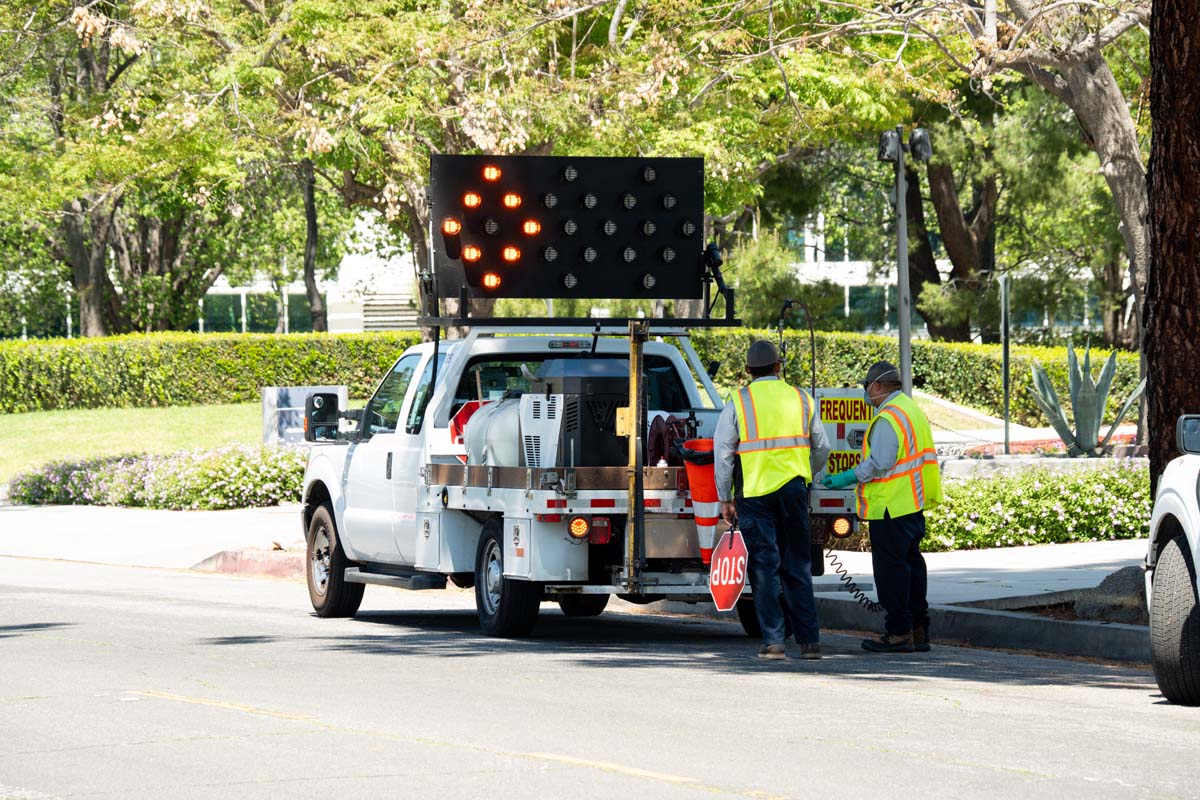
A lane closure may look simple from a passing vehicle, but safe traffic movement depends on careful coordination long before the first cone reaches the road. Flaggers and traffic control personnel help create a predictable path through changing work zones, protecting crews while giving drivers, cyclists, and pedestrians clear direction.
In Surrey, Greater Vancouver, and across the Lower Mainland, traffic conditions can change quickly. Effective lane closure coordination combines planning, clear communication, proper spacing, active observation, and a disciplined approach to changing site conditions.
Planning a Lane Closure Before Crews Arrive
A successful lane closure starts with understanding the work site, not simply placing signs along the roadway. The traffic control team needs to consider the road layout, travel lanes, nearby intersections, driveway access, pedestrian routes, transit activity, sightlines, expected traffic volume, and the nature of the work being performed.
Project teams use traffic management plans to establish how traffic should move around, through, or away from a work area. A plan helps identify the sequence of warning signs, taper areas, buffer space, lane restrictions, detour needs, and traffic control positions. It also gives the crew a shared reference point before work begins.
At the site briefing, personnel review the day's work, the closure limits, communication methods, emergency access needs, and any hazards that may affect road users or workers. This discussion matters because a plan must be applied to the actual conditions on the ground. A delivery vehicle, a blocked driveway, a school crossing, or a sudden queue can change how the setup needs to function.
Experienced traffic control crews also think about the transition into the work zone. Drivers need enough warning to recognize that conditions ahead are changing, slow down safely, and merge when required. When signs and devices appear too late or are spaced poorly, drivers may brake sharply or make last-minute lane changes.
The goal is not merely to close a lane. It is to create an orderly route that road users can understand at a glance.
Setting Up Clear Positions, Spacing, and Equipment
Once the plan is understood, the crew establishes the lane closure from the upstream warning area toward the work zone. This approach helps protect the people placing traffic control devices and gives approaching drivers a gradually developing message about what lies ahead.
Proper placement is central to the work of lane-closure technicians. Signs, cones, delineators, barriers, arrow boards, and other equipment need to be visible, stable, and positioned so they guide traffic without creating confusion. The taper should encourage drivers to merge smoothly, while the buffer area provides separation between moving traffic and active work.
Spacing is not a one-size-fits-all decision. A busy arterial road in Surrey may need a different setup than a quieter Lower Mainland street with frequent driveways and pedestrians. Higher speeds, limited sight distance, curves, hills, darkness, rain, and heavy vehicles can all affect how early drivers need to receive information.
Flaggers must also be positioned where they can see approaching traffic, communicate with other crew members, and remain visible to drivers. They should avoid standing in a vehicle's path, beside large equipment with restricted visibility, or where parked vehicles, vegetation, or roadway geometry can hide them from view.
Equipment checks continue throughout the shift. Wind can move signs, cones can be displaced by passing trucks, and road conditions can affect visibility. A closure that looked organized at setup may need adjustment after traffic begins flowing through it.
Communicating Through Changing Traffic Conditions
Lane closures rely on constant communication. A traffic control person may need to coordinate with another flagger at the opposite end of a single-lane alternating zone, speak with a supervisor, respond to a work crew request, and monitor traffic at the same time.
Qualified traffic control persons use clear signals, radio communication, visual awareness, and established site procedures to keep movement organized. Drivers need simple and consistent direction. Workers need to know when traffic is being held, released, or redirected. Other personnel need to be able to report a problem quickly.
Communication becomes especially important when traffic patterns change unexpectedly. A collision nearby may increase congestion. A transit vehicle may need room to move. A construction activity may temporarily require a larger exclusion area. Rain, fog, glare, or early darkness can reduce visibility and require closer attention to signs, signals, and approaching vehicle speeds.
Traffic control personnel actively watch for queues extending beyond the expected area. If vehicles begin backing toward an intersection, a rail crossing, or another work zone, the team may need to adjust operations in coordination with the site supervisor and project direction. Monitoring traffic is not a passive task. It is a continuous process of observing, anticipating, and responding.
Professional flaggers also remain alert to vulnerable road users. Pedestrians and cyclists may have different sightlines and travel needs than drivers. A safe closure considers how they will receive direction and move past the work area without being pushed into conflict with traffic or equipment.
Coordinating a Safe Handoff and Local Next Step
The final stage of a lane closure is just as important as the setup. Before the shift ends, the team must confirm whether the closure is being removed, modified, or handed over to another crew. An incomplete handoff can leave incoming personnel without critical information about changing traffic, equipment issues, work-zone hazards, or access requirements.
During an end-of-shift handoff, crews should communicate what has happened during the day, including traffic buildup, device adjustments, weather concerns, incidents, and any areas that require additional monitoring. Incoming personnel need to understand the active traffic pattern before taking responsibility for it.
Removal also requires coordination. Devices are taken down in a controlled order so drivers continue receiving clear guidance until the roadway is fully reopened. Workers should never assume that traffic has returned to normal simply because the main work activity has stopped.
For projects in Surrey, Greater Vancouver, or elsewhere in the Lower Mainland, early coordination helps prevent avoidable disruptions once work begins. If your project needs qualified support for a planned closure or changing site conditions, you can request a traffic-control quote from Stop N Go Traffic Control to start the conversation.